
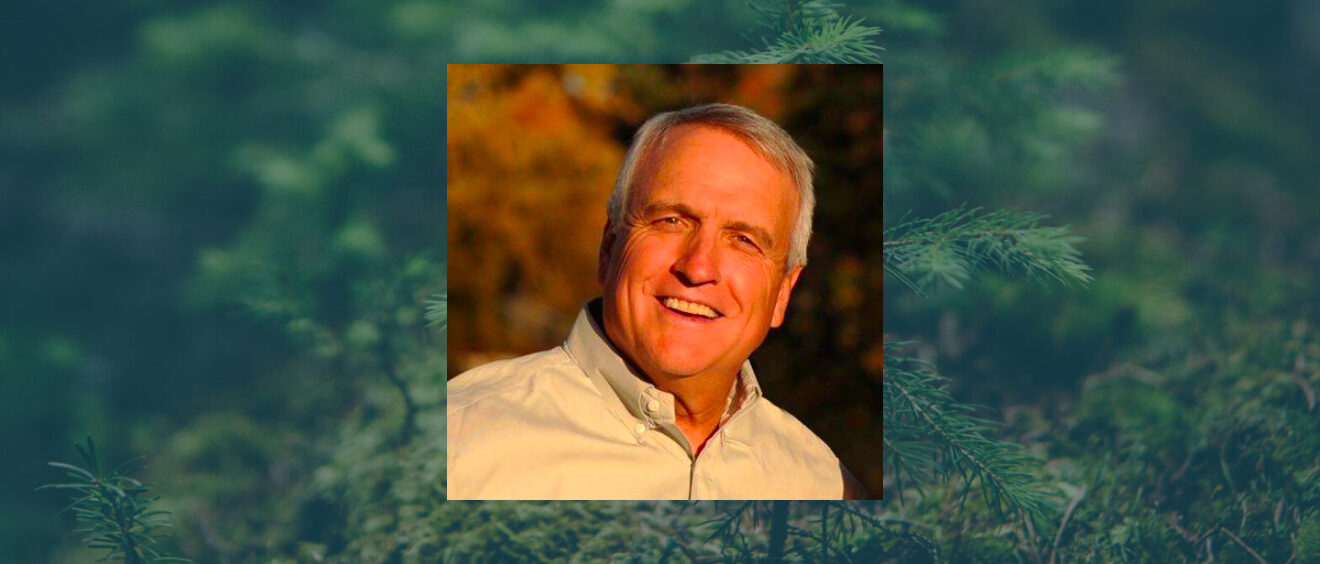
Meet Bill Ritter: In Conversation with CGC’s Newest Board Member
Former Colorado Governor Bill Ritter joins CGC’s Board of Directors, bringing experience in energy policy, economic development, and environmental leadership as we advance our approach to carbon management.
Carbon GeoCapture recently welcomed former Colorado Governor Bill Ritter to its Board of Directors, bringing decades of experience in public policy, energy, and environmental leadership to the company.
Bill served as Governor of Colorado from 2007 to 2011, where he championed the state’s “New Energy Economy” and signed 57 pieces of legislation supporting the energy transition. Following his time in office, he founded the Center for the New Energy Economy at Colorado State University, where he spent 14 years working with governors, legislators, and other policymakers on energy and environmental issues. Today, he is part of Freestone Strategies, a government affairs firm focused on issues including energy policy and the power sector.
Throughout his career, Bill has advocated for approaches that balance environmental progress with economic development, energy affordability, and reliability. His decision to join CGC reflects his belief that carbon capture and storage can play an important role in addressing emissions while meeting growing energy demand.
We sat down with Bill to discuss his background, what drew him to CGC, the importance of engaging with environmental advocates, and where he sees opportunities for the company’s approach to carbon management.
The following interview has been edited for clarity and length.
Q: Throughout your career, including your time as Governor of Colorado and your work at the Center for the New Energy Economy, you’ve focused on addressing energy and environmental challenges while supporting economic development. What have those experiences taught you about what it takes to make meaningful progress on these issues?
A: When I was governor, we talked about the four E’s of the New Energy Economy: energy, the environment, economic development, and equity. The idea was that we could pursue an energy transition without building it on the backs of people who could least afford it. What I’ve found is that these priorities are not mutually exclusive. We can pursue an energy transition that is environmentally sound, economically beneficial, and built around domestic energy production, while ensuring that energy remains affordable for people across all sectors. You have to be realistic about what’s achievable, but you also have to be willing to be bold. There will always be people who resist change because they believe their industry or economic interests are threatened. You can’t allow that resistance to dictate your vision. You need ambitious but achievable goals, and you need to recognize the broader economic and environmental circumstances that affect how you get there.
Q: What initially interested you in Carbon GeoCapture, and why did you decide to join the company’s Board of Directors?
A: I met John Pope through a mutual friend around the time I was leaving Colorado State University. As John explained CGC’s technology and its approach to securely storing emissions in unmineable coal seams, I became very intrigued. When I was governor, I signed legislation establishing an energy portfolio standard for Colorado to reach 30% clean energy by 2020. But getting to 100% clean energy is going to be very expensive, and I don’t see a way to accomplish that without thinking seriously about how we address greenhouse gas emissions from fossil fuels. I believe fossil fuels will continue to play a role in our energy system, and there isn’t one silver bullet that will get us where we need to go. If we’re going to address climate change seriously, we need solutions that are both affordable and reliable.
That’s what particularly interested me about CGC. I see this technical approach as an important part of the solution because it coukd address three priorities simultaneously: reliability, affordability, and sustainability. I think when electricity providers have had the opportunity to see how it operates and understand what it can offer across those three areas, they’ve recognized its potential.
Q: You’ve long advocated for solutions that advance both environmental progress and economic opportunity. Carbon capture and storage, particularly an approach involving coal, faces skepticism within parts of the environmental and climate communities. What do you believe CGC needs to do to earn the trust and support of these communities?
A: I believe CGC is engaged in demonstrating how its approach works, that it can make a meaningful difference compared with other carbon capture approaches, and that it can be economical. One of the biggest challenges for carbon capture and storage has been the economics; they haven’t been demonstrated to a point where people can confidently view it as a solution that also meets the needs for reliability, affordability, and sustainability.
There is a spectrum of views in the environmental community: some recognize the need for technologies like CGC’s, while others believe we shouldn’t pursue them at all. But we have to take a realistic view of where we are, the carbon budget we have, and what we can do to reduce greenhouse gas emissions.
My constant message to people in the environmental community is that we can’t search for perfect solutions and turn away from good ones in the face of such a pressing challenge. If the perfect solution comes along someday, we should embrace it. But in the meantime, we have to embrace solutions that can make a difference. That means looking at technical solutions that can reduce emissions, operate at scale, and potentially be deployed around the world. I believe CGC can be an important part of that equation.
Q: As CGC advances its work with Black Hills Energy in Wyoming and develops other projects in various countries, where do you see the greatest potential for its approach, particularly for energy-producing regions and the communities that depend on them?
A: There are certain geographic and geological conditions that need to be present, but one of the things I’ve learned since becoming involved with CGC is just how widely available the potential locations for storing carbon dioxide are, both across the United States and around the world. That’s encouraging because it suggests this approach has the potential to scale.
The other important factor is what’s happening with electricity demand. For a long period following the Great Recession, electricity demand remained relatively flat. Now we’re seeing a very different picture. The growth of artificial intelligence and data centers, combined with the electrification of vehicles, homes, and industrial processes, is creating significant new demand for electricity. These are major new loads coming onto the grid, and we have to find ways to meet that demand.
At the same time, people want to meet that demand sustainably. That’s why I think CGC’s approach is particularly relevant right now. We need to provide reliable power, keep it affordable, and address the emissions associated with energy production. I see CGC as a potentially significant solution because it offers an approach to storing greenhouse gas emissions that can also be economically viable.
Q: What role do you see yourself playing on CGC’s Board?
A: I think one of the most important things I bring is my experience with energy policy and understanding how policy development intersects with the energy sector. There are a lot of good ideas and promising technologies in energy, but without the right policy frameworks, they can face significant headwinds. I’ve spent years working on these issues, first as governor and then at Colorado State University, where I worked closely with policymakers at both the federal and state levels to develop frameworks for the energy transition.
I hope to bring that experience and perspective to CGC as the Board continues to grow. In particular, I think I can help the company understand and navigate the policy hurdles it may encounter, while also identifying opportunities where policy can help support its work.
Ultimately, I believe CGC has tremendous potential. I’m a big fan of the technical approach and the team, and I believe CGC can be a significant part of the solution as we move forward.